The Research Chair on Mistreatment of Older Adults is looking for employees, volunteers or their supervisors within non-profit …
Recruitment for the ARMCAR research project has been prolonged.
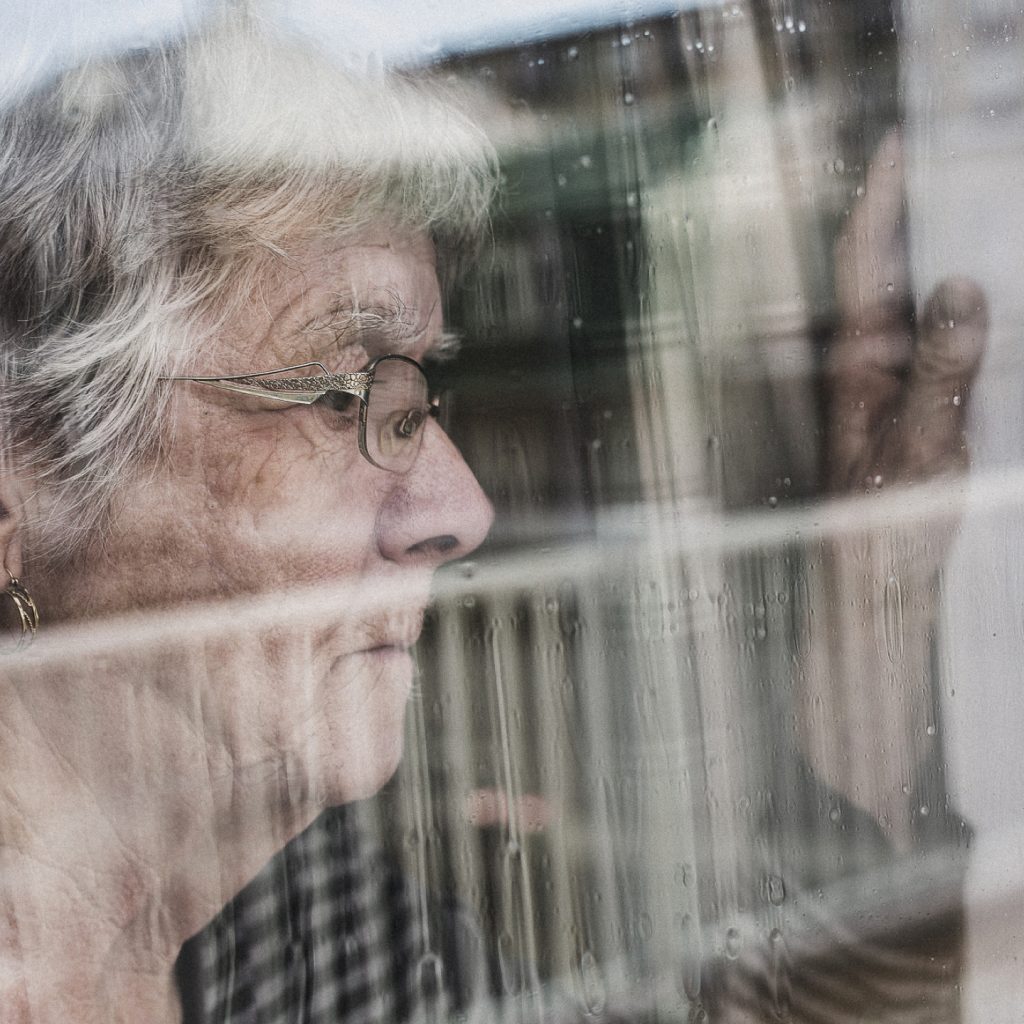
The ARMCAR (Acknowledging and Responding to Mistreatment in CARegiving) research project aims to develop and evaluate the efficiency of a multicomponent educational program to help further improve knowledge about mistreatment toward persons aged 50 years and older within a caregiving context, promote help seeking of informal caregivers, facilitate the identification and reporting of mistreatment situations, as well as improving the social support for informal caregivers and their health.
News
The Entretiens Jacques Cartier took place from October 9 to 11 this year in the Auvergne-Rhône-Alpes region. For information, …
On November 23, 2023 from 13h to 14h, the Research Chair on Mistreatment of Older Adults invites you to participate in the …
The Chair wants to inform you that the National Caregivers Week 2023 will take place from November 5 to November 11. This …


Our Expertise
Mistreatment
This section presents the major research projects led by the Research Chair on Mistreatment of Older Adults, as well as recently developed knowledge. It includes an overview of the evolution of our work, the context in which it was realized, and a summary presentation of each project.
Wellness Care
This section includes the key projects undertaken by the Chair concerning wellness care for older adults and recently developed knowledge of this subject. It consists of an overview of the evolution of our work, the context in which it was realized, and a summary presentation of each project.
In Situation of Emergency
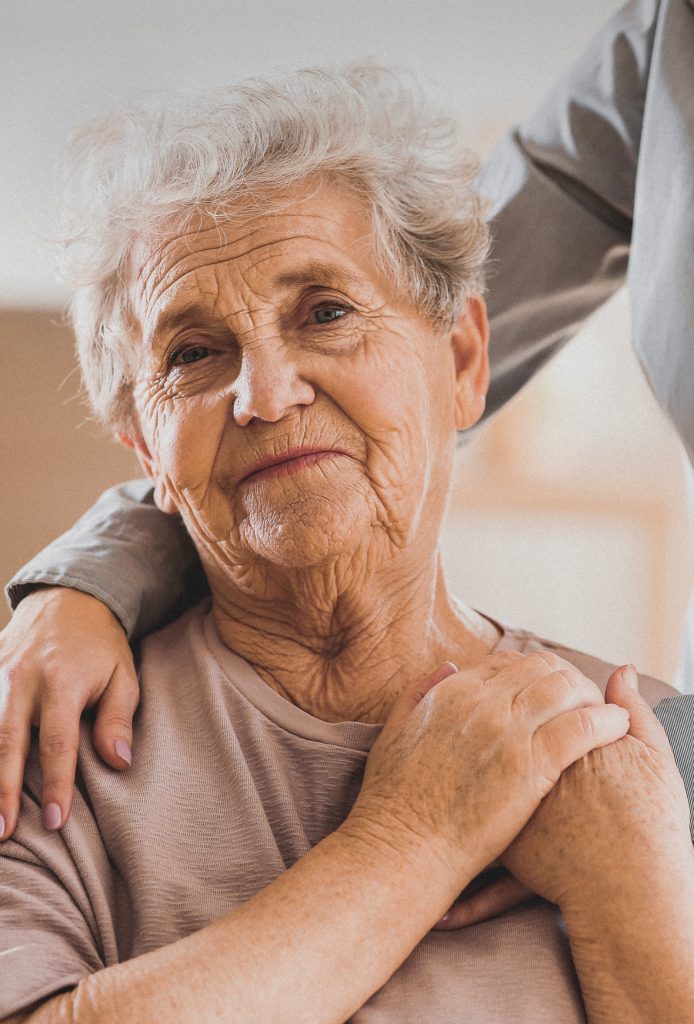
If you witness or are victim of a mistreatment situation and wish to obtain information or help, please contact the Mistreatment HelpLine (for Quebec residents).
Open 24/7 from 8:00 to 20:00 Confidential, bilingual, free and professional service
+ 1 888 489-ABUS (2287)
Download a List of Helplines and other Services (for Quebec residents)